New: My Prep Studio · Save your own variations, set your goals, plan meals and combine groceries.
COOK ONCE. EAT WELL ALL WEEK.
Recipes built to prep.
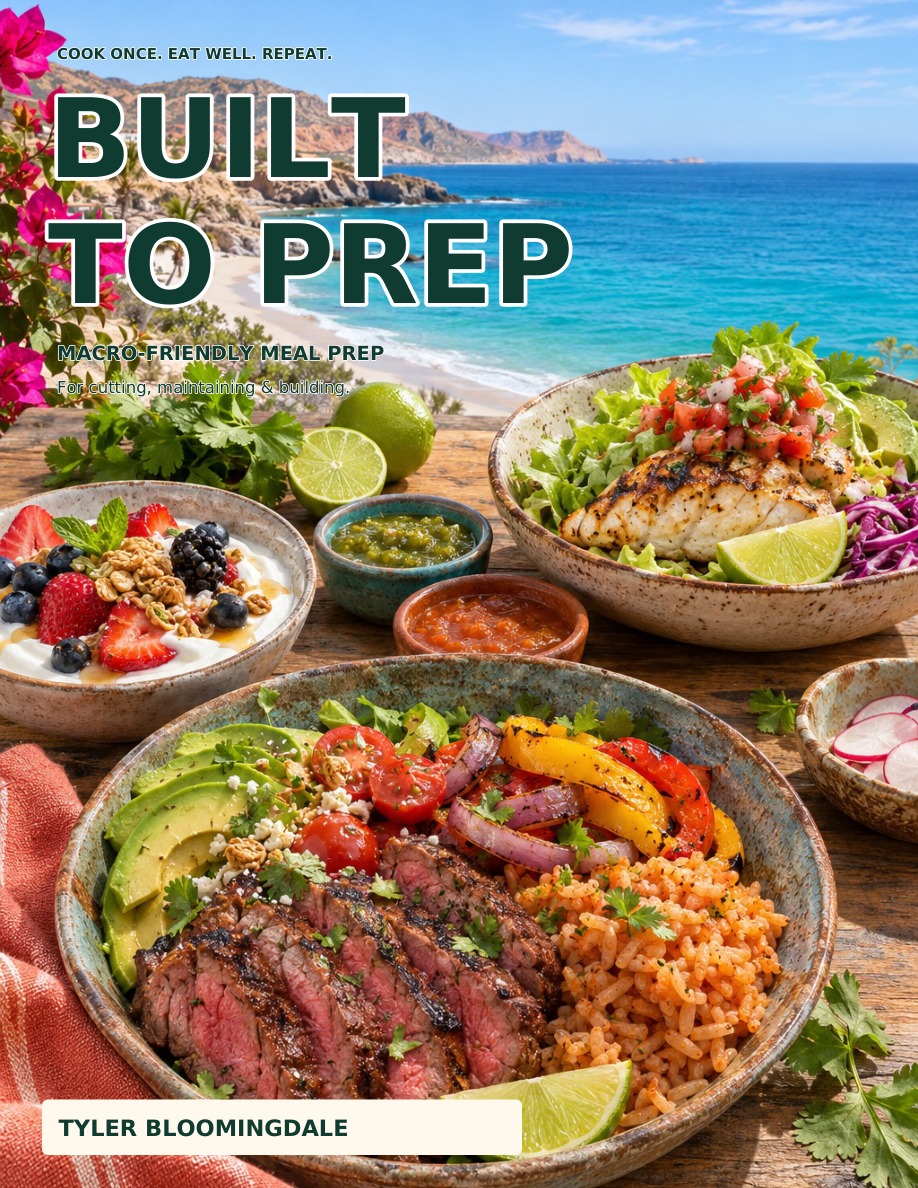
High-protein meal prep for busy people who want food they actually look forward to eating. Explore the working recipe collection as it is tested and refined.
Working concept • Recipes and nutrition are being tested. Cookbook sales and memberships are not active.
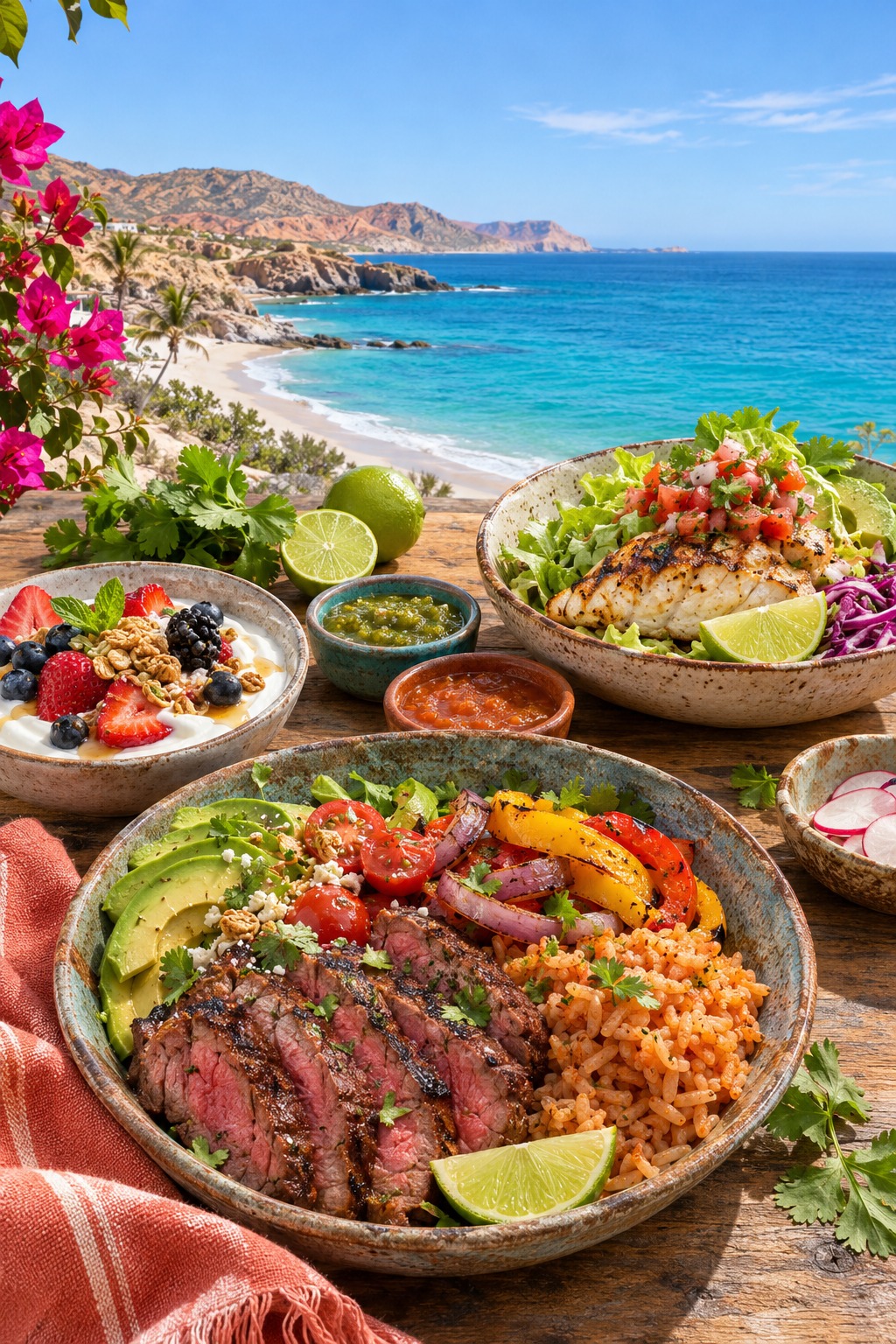
REAL FOOD / COASTAL ROOTS
Protein-forwardMade for busy daysPrep for real life
QUICK DRAW / FIT YOUR DAY
Grab the right kind of fuel.
One recipe, several useful routes. Pick a time, then check the portion.
Before-training bars have carbohydrate with moderate fat, but fiber and personal digestion still matter; try them 1–3 hours beforehand. Granola alone is often low in protein: use the listed milk add-on for recovery. Pre-sleep dairy cards list total protein, not grams of pure casein.
FIND YOUR FLAVOR
Recipe directory
Open a collection to browse by category, or search the full menu below.
Ingredient badges: allergens are screened from the written recipe. GF* is a gluten-free ingredient route, not certification. Choose certified GF oats where used; check packaged foods, substitutions and kitchen cross-contact. A missing badge does not establish allergy safety. FDA allergen guidance ↗
BUILT TO PREP / INGREDIENT STANDARDS
Your dairy and sweetener defaults
Milk: Darigold FIT nonfat ultra-filtered milk when a recipe calls for dairy milk.
Greek yogurt: plain, nonfat Greek yogurt for sauces, bowls and desserts.
Cottage cheese: nonfat if available; otherwise the lowest-fat option, with sodium compared across labels.
Sweetener: monk fruit or another suitable sugar substitute to taste. Use the product’s conversion instructions; a measured amount of honey may remain where needed for flavor.
Coconut curries: test FIT nonfat milk with unsweetened coconut extract for a lower-fat alternative; texture and taste will differ.
These are the intended defaults across the collection. Existing nutrition, sodium and cost estimates have not all been recalculated for them; use actual ingredient labels and finished portions.
Flavor-first, sodium-conscious prep
Apply these substitutions across the collection. Earlier meal macros and sodium values have not been recalculated for substitutions.
Replace each tablespoon of bottled soy or teriyaki with one tablespoon of our Sesame Ginger Glaze. For the ginger lettuce wraps use only one teaspoon of reduced-sodium soy for the full four-meal batch, with no more than 200 mg sodium in that teaspoon.
Use no-salt-added tomatoes, beans, broth and ketchup; prepare fresh salsa. Compare mustard and hot sauce labels and measure portions.
Choose fresh, unbrined meats and fish and lower-sodium cottage cheese and cheeses; drain and rinse no-salt-added canned foods.
Build flavor with citrus, vinegar, garlic, ginger, herbs, cumin, smoked paprika and salt-free spices.
Nutrition and sodium values are estimates, not verified labels. Actual ingredients and portions determine sodium; validate each finished recipe before making any low-sodium claim or selling it.
FROM FIRST BITE TO NIGHTCAP
Prep for the way you live.
Browse recipes in the order of your day. Select a meal type to see its collection, then narrow by cuisine, goal, or search.
Evening staples: water, sparkling water, herbal tea, unsweetened rooibos, decaf coffee, and decaf tea. Decaf may contain some caffeine. Milk, honey and other additions count.
TRAIN AROUND YOUR DAY
Put the fuel near the work.
Before training
Carbohydrates fuel training. Try a comfortable portion about 1–3 hours before lifting, adjusting for digestion. The pre-workout filter finds meals with at least 35 g carbohydrate and no more than 12 g fat, using estimated nutrition.
Protein supports muscle repair and adaptation; carbohydrates help replace glycogen. Daily intake matters more than racing a short window. Rapid refueling matters most between closely spaced sessions. This filter finds meals with at least 25 g protein and 30 g carbohydrate.
Later lift: breakfast → lunch → move your planned carb portion later → train → recovery dinner. Move the meal, rather than adding an automatic extra meal; count everything toward your daily target.
Recipe filters are browsing aids, not individualized targets or formal endurance carb-loading protocols. See ISSN: nutrient timing.
The Built to Prep collection
Something good for every kind of day.
Search meals, soups, candy, protein cookies, bars, frozen treats, shakes and sauces. Tap any card for its four-serving shopping list, directions and estimated nutrition.
Goal labels use the selected cooking method and estimated calories per listed serving: green cutting ≤400; yellow flexible 401–599; red bulking ≥600. They are not personal calorie targets, nutrition claims, or guarantees. Portions and daily intake determine fit. Sauces are add-ons. Nutrition estimates need label verification; food illustrations may differ.
The local catch collection
A little closer to the water.
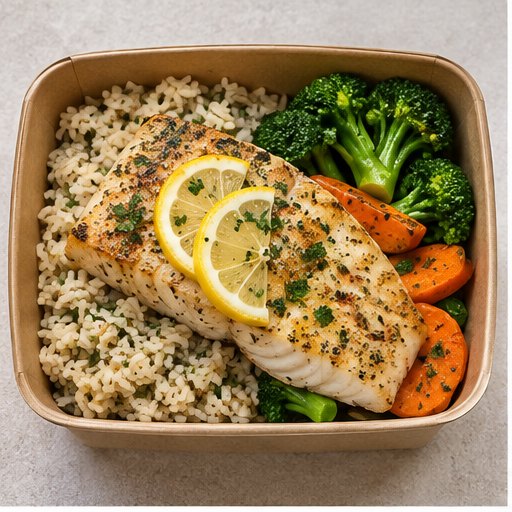
From rockfish and albacore to Dungeness crab and Oregon pink shrimp, our coastal-inspired bowl concepts celebrate the flavors of Newport.
Seafood selections, sourcing and availability have not been finalized.
Flavor for every bowl
Meet the sauce lab.
Ten small-batch ideas for your favorite meals, including four made with no added salt.
Sauce concept • 1 tbsp
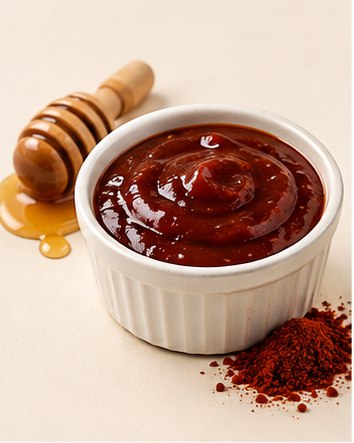
Smoky Honey BBQ
Estimated per 1 tbsp: 0 g protein · 1 g carbs · 0 g fat.
Estimated 4 calories and 5–20 mg sodium per tablespoon. Pairs with chicken, turkey meatballs, potatoes.
Shopping list and directions
Shopping list · makes 1 cup / 16 tablespoons
20 g no-salt-added tomato paste
1 tsp honey (7 g)
2 tbsp apple cider vinegar
1 tsp cornstarch (about 3 g)
1/2 tsp smoked paprika; 1/4 tsp garlic powder
No-calorie sweetener to taste; water to 1 cup
Directions
Mix cornstarch with 1 tbsp cold water. Whisk all ingredients except sweetener in a small pan; simmer, stirring, until lightly thickened. Cool; add sweetener and water to a final 1 cup.
Refrigerate at 40°F or below and use within 3 days. Not shelf-stable.
In development
Sauce concept • 1 tbsp
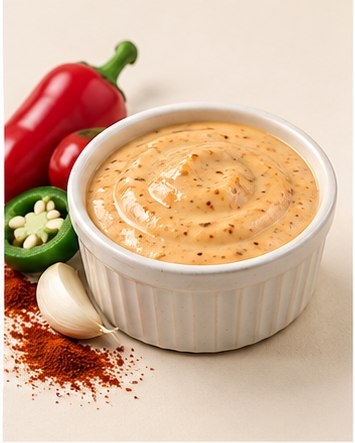
Southwest Yogurt Ranch
Estimated per 1 tbsp: 1 g protein · 1 g carbs · 0 g fat.
Estimated 6 calories and 5–20 mg sodium per tablespoon. Pairs with fajitas, chicken bowls, omelettes.
Shopping list and directions
Shopping list · makes 1 cup / 16 tablespoons
120 g plain nonfat Greek yogurt
2 tbsp distilled white vinegar
1/2 tsp garlic powder; 1/2 tsp onion powder
1/4 tsp cumin; 1/4 tsp salt-free chili powder
Water to 1 cup; optional calorie-free sweetener
Directions
Whisk yogurt, vinegar, spices and a few tablespoons of water until smooth. Add water to make 1 cup. Refrigerate and stir before serving.
Refrigerate at 40°F or below and use within 3 days. Not shelf-stable.
In development
Sauce concept • 1 tbsp
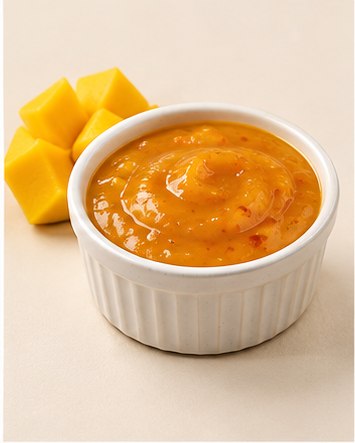
Mango Habanero Heat
Estimated per 1 tbsp: 0 g protein · 1 g carbs · 0 g fat.
Estimated 4 calories and 0–15 mg sodium per tablespoon. Pairs with fish, chicken tacos, rice bowls.
Shopping list and directions
Shopping list · makes 1 cup / 16 tablespoons
45 g unsweetened mango
1/4 habanero pepper, seeded (about 2 g)
2 tbsp distilled vinegar
1 tsp cornstarch (about 3 g)
1/4 tsp each garlic and onion powder
No-calorie sweetener to taste; water to 1 cup
Directions
Blend mango, pepper and vinegar. Stir cornstarch into 1 tbsp cold water; add to puree. Simmer briefly while stirring until lightly thickened. Cool; add sweetener and water to reach 1 cup.
Refrigerate at 40°F or below and use within 3 days. Not shelf-stable.
In development
Sauce concept • 1 tbsp
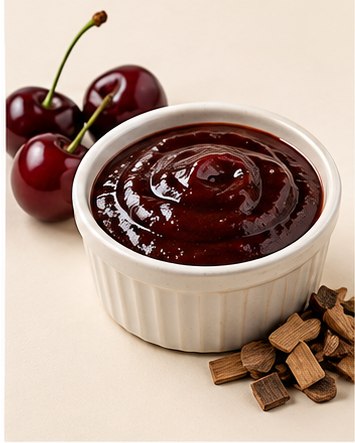
Cherry Smoke BBQ
Estimated per 1 tbsp: 0 g protein · 1 g carbs · 0 g fat.
Estimated 4 calories and 5–20 mg sodium per tablespoon. Pairs with sirloin, turkey burgers, roast chicken.
Shopping list and directions
Shopping list · makes 1 cup / 16 tablespoons
30 g unsweetened pitted cherries
15 g no-salt-added tomato paste
2 tbsp distilled vinegar
1/2 tsp cornstarch (about 2 g)
1/4 tsp smoked paprika; 1/4 tsp onion powder
No-calorie sweetener to taste; water to 1 cup
Directions
Blend cherries, tomato paste and vinegar. Mix cornstarch with 1 tbsp cold water; stir into puree with spices. Simmer until lightly thickened, cool and add water to reach 1 cup.
Refrigerate at 40°F or below and use within 3 days. Not shelf-stable.
In development
Sauce concept • 1 tbsp
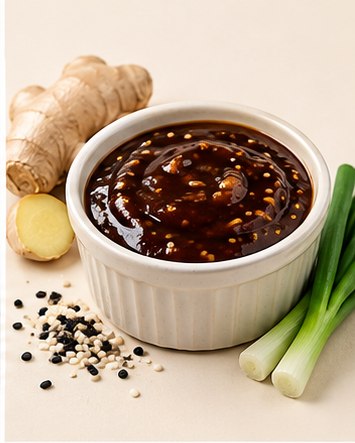
Sesame Ginger Glaze
Estimated per 1 tbsp: 0 g protein · 1 g carbs · 0.1 g fat.
Estimated 4 calories and 35–55 mg sodium per tablespoon. Pairs with teriyaki chicken, fish and rice bowls.
Mix cornstarch with 1 tbsp cold water. Simmer soy sauce, vinegar, ginger and the slurry until lightly thickened. Stir in sesame oil, cool, and dilute to 1 cup.
Refrigerate at 40°F or below and use within 3 days. Not shelf-stable.
In development
Sauce concept • 1 tbsp
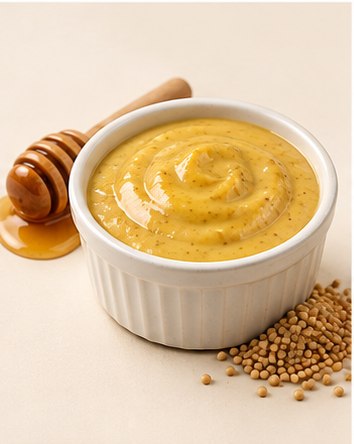
Light Honey Mustard
Estimated per 1 tbsp: 0 g protein · 1 g carbs · 0 g fat.
Estimated 4 calories and 10–25 mg sodium per tablespoon. Pairs with chicken, eggs, turkey and vegetables.
Mix cornstarch with 1 tbsp cold water. Simmer mustard, honey, vinegar and slurry until lightly thickened. Cool, sweeten to taste and dilute to 1 cup.
Refrigerate at 40°F or below and use within 3 days. Not shelf-stable.
In development
Sauce concept • 1 tbsp
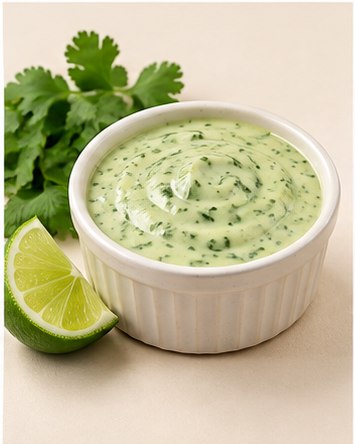
Cilantro Lime Yogurt
Estimated per 1 tbsp: 1 g protein · 1 g carbs · 0 g fat.
Estimated 6 calories and 5–20 mg sodium per tablespoon. Pairs with huevos rancheros, fish and fajitas.
Shopping list and directions
Shopping list · makes 1 cup / 16 tablespoons
120 g plain nonfat Greek yogurt
2 tbsp lime juice
2 tbsp finely chopped cilantro
1/4 tsp garlic powder; 1/4 tsp cumin
Water to 1 cup; no added salt
Directions
Blend yogurt, lime juice, cilantro and spices with a little water. Add enough water to make 1 cup and refrigerate.
Refrigerate at 40°F or below and use within 3 days. Not shelf-stable.
In development
Sauce concept • 1 tbsp
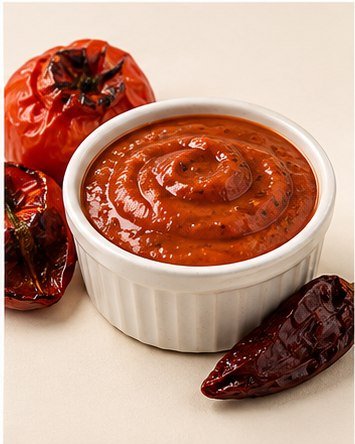
Smoky Tomato Chipotle
Estimated per 1 tbsp: 0 g protein · 1 g carbs · 0 g fat.
Estimated 3 calories and 0–15 mg sodium per tablespoon. Pairs with breakfast burrito bowls and lean beef.
Shopping list and directions
Shopping list · makes 1 cup / 16 tablespoons
60 g no-salt-added crushed tomato
2 tbsp lime juice or vinegar
1/4 tsp chipotle powder, no added salt
1/4 tsp garlic powder; 1/4 tsp onion powder
Water to 1 cup; no added salt
Directions
Blend tomato, lime and spices. Add water to make 1 cup; simmer 5 minutes, cool and refrigerate. Add water after cooling to restore 1 cup if needed.
Refrigerate at 40°F or below and use within 3 days. Not shelf-stable.
In development
Sauce concept • 1 tbsp
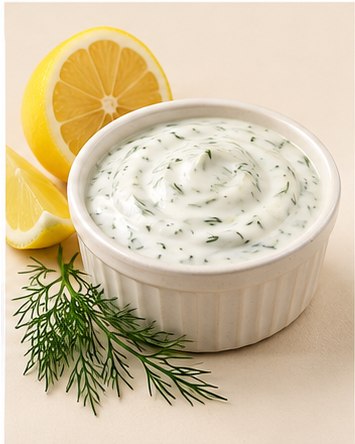
Lemon Dill Yogurt
Estimated per 1 tbsp: 1 g protein · 1 g carbs · 0 g fat.
Estimated 6 calories and 5–20 mg sodium per tablespoon. Pairs with rockfish, salmon, crab and potatoes.
Shopping list and directions
Shopping list · makes 1 cup / 16 tablespoons
120 g plain nonfat Greek yogurt
2 tbsp lemon juice
1 tsp dried dill
1/4 tsp garlic powder; black pepper to taste
Water to 1 cup; no added salt
Directions
Whisk yogurt, lemon, dill, garlic and pepper; thin with water to make 1 cup. Chill and stir before serving.
Refrigerate at 40°F or below and use within 3 days. Not shelf-stable.
In development
Sauce concept • 1 tbsp
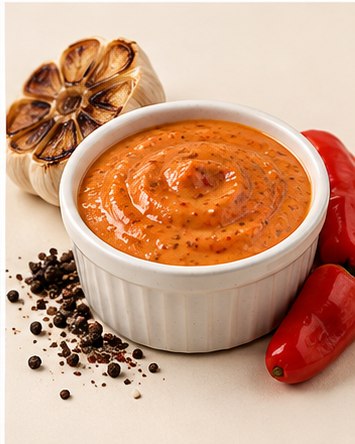
Roasted Pepper Garlic
Estimated per 1 tbsp: 0 g protein · 1 g carbs · 0 g fat.
Estimated 3 calories and 0–15 mg sodium per tablespoon. Pairs with eggs, chicken and vegetable bowls.
Shopping list and directions
Shopping list · makes 1 cup / 16 tablespoons
50 g roasted red bell pepper, no added salt
2 tbsp red wine vinegar
1/2 tsp garlic powder; 1/4 tsp smoked paprika
Water to 1 cup; no added salt
Directions
Blend roasted pepper, vinegar and spices until smooth. Add water to make 1 cup and refrigerate.
Refrigerate at 40°F or below and use within 3 days. Not shelf-stable.
In development
Tyler confirms these sauce recipes have been kitchen-tested. They are recipes, not bottled products available for purchase. Nutrition and sodium are rough recipe estimates, not verified labels; ingredient brands and actual yield change results. A 2-tablespoon portion doubles the figures.
THE IDEA
Real life. Real meal prep.
Built to Prep is a working recipe and education project from Tyler Bloomingdale, inspired by the challenge of eating well while training and living a busy life.
Tyler is a culinary degree holder, former competition culinary-team chef, tattoo artist and business owner sharing his personal journey toward a leaner, stronger life, including losing more than 50 pounds. His approach brings meal prep, training and ongoing learning together.
Recipes are works in progress. Photos may be illustrative. Nutrition, sodium and storage guidance require verification before publication.
Further reading: Tyler is the author of The Retatrutide Handbook and the creator of the Peptide Dosing Library. Discuss medical decisions with a qualified healthcare professional. Retatrutide remains investigational.
Business disclosure: Tyler operates QSC Wholesale and has a financial interest. QSC products are labeled for laboratory research only, not human use. They are not presented as treatments.
BREAKFAST TO NIGHTCAP
Your day. A better plate.
A redesigned illustrated collection by Tyler Bloomingdale. Full-page chapter openings, clear contents, and 358 recipe, base, sauce and drink cards with shopping lists and estimated macros.
Includes pre-workout fuel, a recovery finder, everyday meals, desserts and kitchen-tested sauces.
Digital and print editions are in development; public purchasing is not active. Nutrition estimates remain subject to product labels. Illustrations are generated.
THE COMMUNITY
Get better together.
We are developing a space for recipe demos, shared meal-prep ideas and practical cooking lessons. Membership, email signup and checkout are not open yet.
Tyler also works on independent resources for adults interested in peptide research and the science of metabolism. These websites are for adults 21 and older and are separate from this meal-prep project.
Peptide Dosing Library
A research-oriented information library covering compounds, references and research calculations. Content is educational and is not personal medical advice or dosing guidance for people.
Research use only: QSC products are not for human consumption and are not approved medications. Neither site provides a substitute for medical care. Retatrutide is investigational; questions about GLP-1 medicines and health belong with a qualified clinician.
More reading: Tyler’s Retatrutide Handbook covers related scientific and lifestyle topics; publication details will be shared when available.
THE TECHNIQUE LAB
Better prep starts in the pan.
Chef-informed methods for developing flavor and making lean proteins worth eating. These are optional techniques; any added ingredients change the recipe's nutrition.
Brown ground meat
Dry the meat, preheat a wide pan, spread a thin layer and let it brown before breaking it up. Cook ground beef to 160°F and ground turkey to 165°F. Work in batches to avoid steaming.
Use with: beef quesadillas, burger wraps and taco bowls.
Butterfly and sear chicken
Slice horizontally through the thick side, stopping before the edge, and open the breast like a book. Pat dry, sear until golden and finish to 165°F in the thickest part. Slice across the grain.
Use with: chicken rice bowls, fajitas and wraps.
Water-velvet chicken
For 600 g raw sliced chicken, mix 8 g cornstarch, 20 g pasteurized liquid egg white and 1 tbsp water. Coat and chill 15–20 minutes; gently simmer until chicken reaches 165°F, drain, then finish briefly with stir-fried vegetables.
Estimated additions: about 40 calories and 8 g carbs per batch, or 10 calories and 2 g carbs per portion for four, assuming all coating is eaten. Actual retention varies. Contains egg.
Count the finish
5 g oil adds about 45 calories to the batch if all is eaten: about 11 calories per serving for four. Oils, sauces, coatings and toppings count; drained fat and coating retention vary.
Use with: stir-fries, seared fish, roasted vegetables and sauces.
Seafood and sauces
Cook fish gently to 145°F; prevent yogurt-based sauces from splitting by adding them off heat. Pack cold sauces separately and count what you add.
Cool and store
Refrigerate at 40°F or below within two hours, or one hour above 90°F. Most cooked leftovers keep 3–4 days; use these fresh dips within 3 days. Reheat leftovers to 165°F.
Pat sweet potato rounds dry. Air-fry in a single layer at 380°F for about 14–20 minutes, turning, until browned and tender. No oil is required; a small measured amount may improve browning.
Nonstick pan
Use a clean, good-condition nonstick pan and follow its heat guidance. Cover-cook sweet-potato rounds over medium-low heat until tender, turning; uncover to brown. Add no oil when possible or brush on a measured amount.
Oil and calories
Five grams of olive oil is approximately 45 calories if all is eaten, or 11 per serving for four. Sprays still count. Light-tasting olive oil has the same calories as regular olive oil; the difference is flavor.
Olive oil and your goals
Olive oil is mostly unsaturated fat. Replacing saturated fat with unsaturated oils can support heart health. About 1 tsp is 40 calories; 1 tbsp is 120; three tablespoons are about 360. Three tablespoons is not a required daily amount. Include what you choose in your total intake.
Build flavor
Use herbs, spices, citrus, toasted aromatics, nonfat Greek yogurt, lower-fat cottage cheese, and suitable sweetener. Weigh additions and check labels; portions, sauces and oil all affect macros.
Cooking times vary with thickness and equipment. Count any oil or sauce added to the existing recipes; their numbers are estimates pending review.
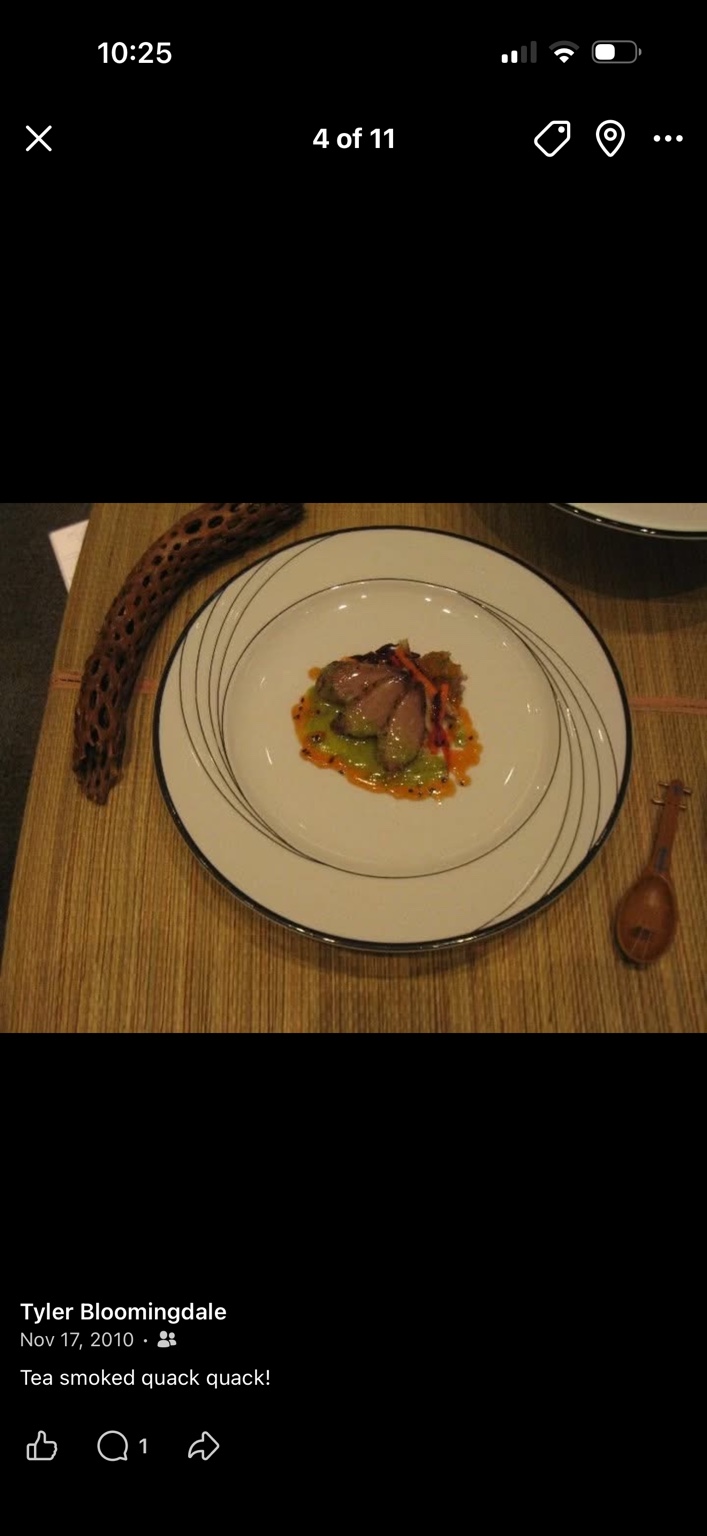
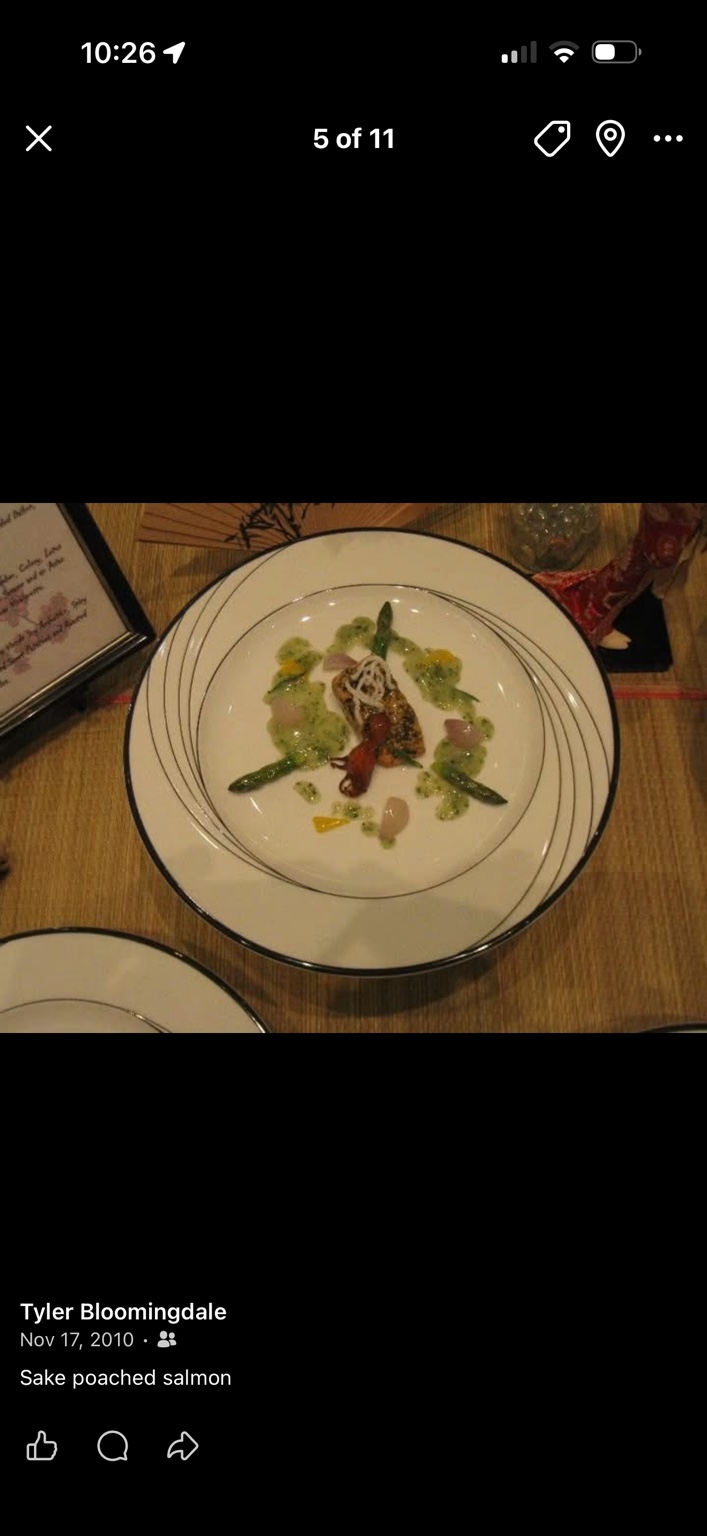
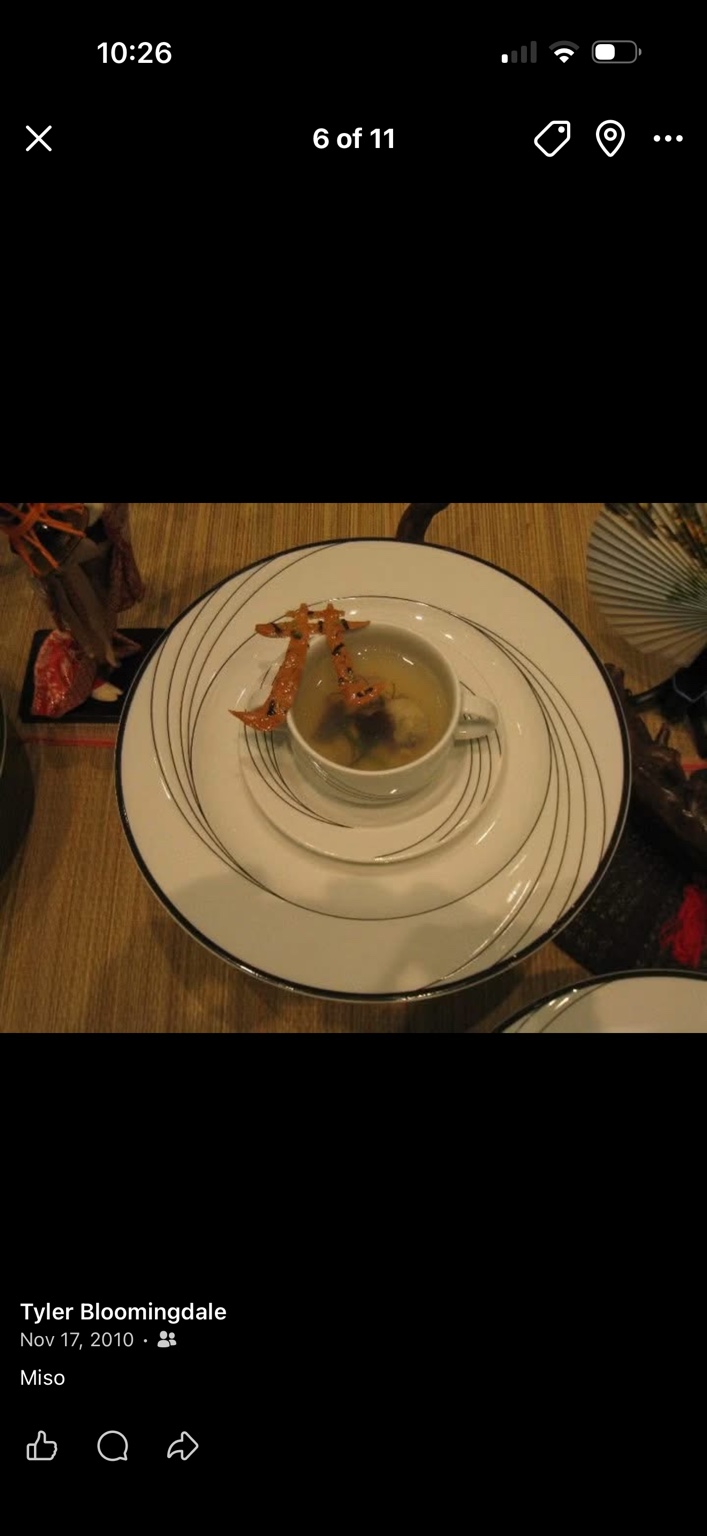
Tyler studied culinary arts, baking and pastry science at Grossmont College in the San Diego area, learning from Chef Joe Orate and competing with a culinary team. He later built a full-time career as a tattoo artist. On his own health journey, he found a new purpose for those culinary skills: flavorful, practical meals built to prep.
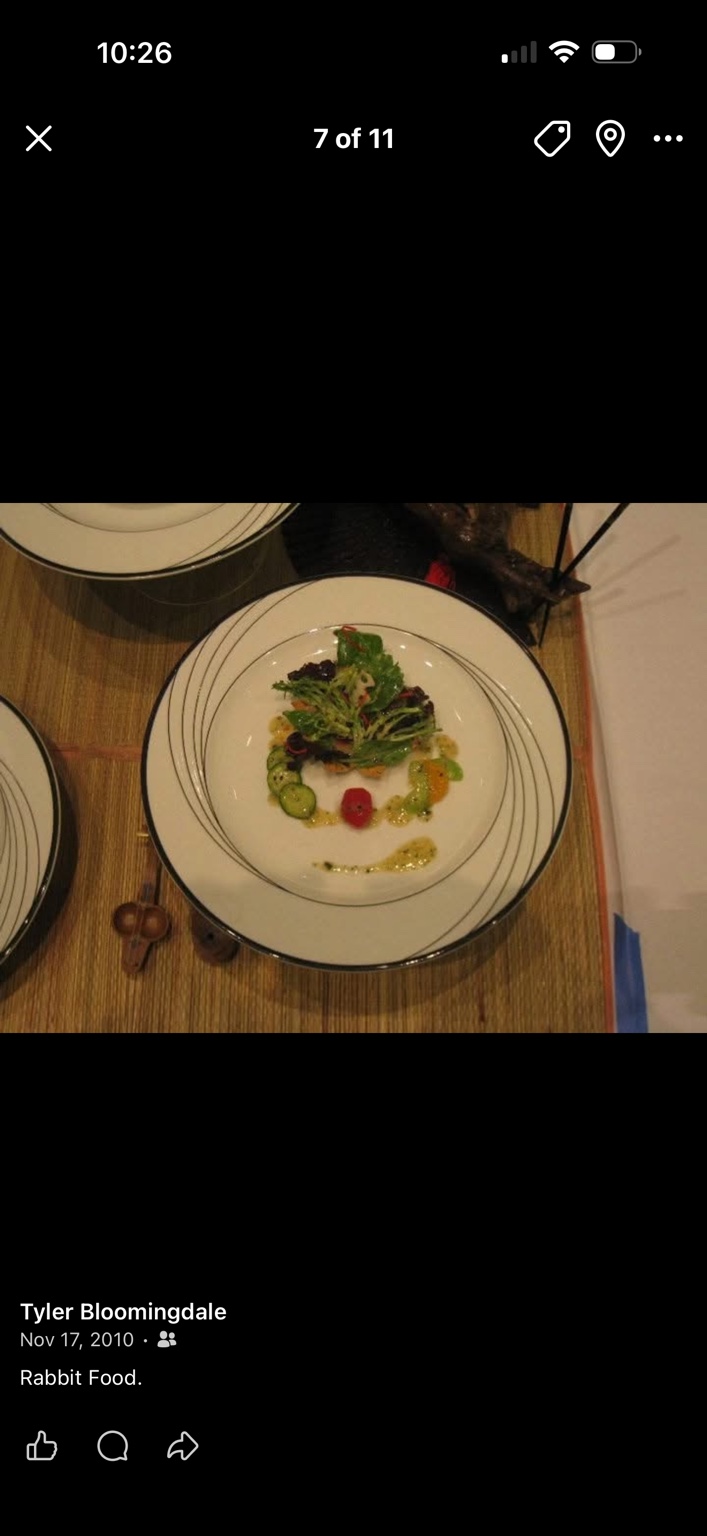
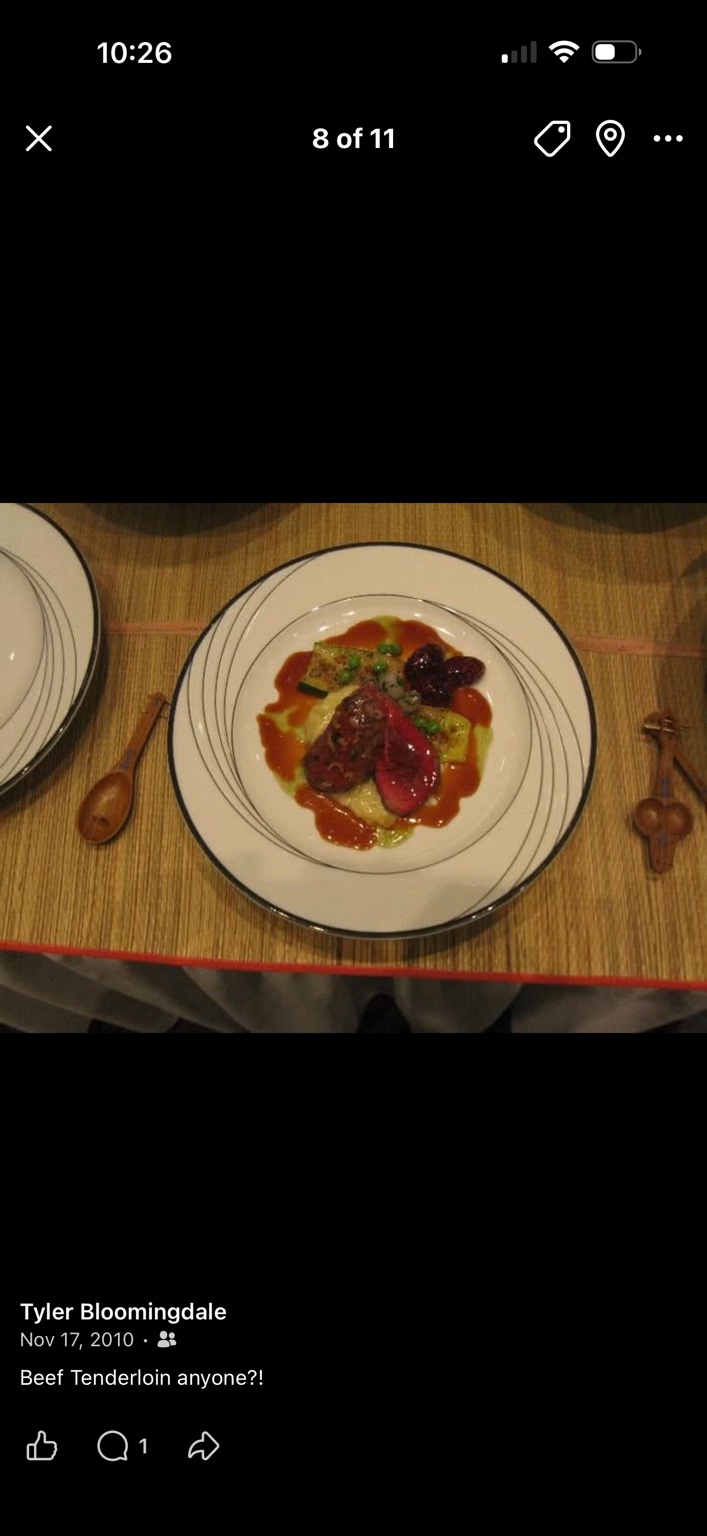
These are Tyler’s supplied culinary-school and competition photographs.
MEAL PREP / THE GOAL GUIDE
Choose the portion that fits your day.
GREEN · CUTTING — up to 400 estimated calories per listed portion. YELLOW · FLEXIBLE — 401–599. RED · BULKING — 600 or more. Sauces and dips are labeled add-ons.
These are organizational bands, not universal diet rules. A red meal can fit a calorie deficit and a green one can fit a surplus. Weight change depends on overall energy intake and expenditure; needs differ by individual. Portions, ingredients and estimates need verification.